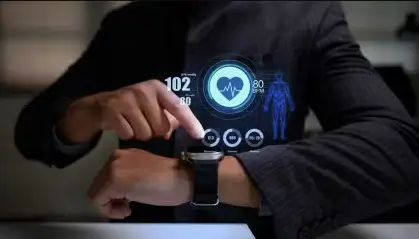
Smart devices in healthcare monitoring are driving continuous, real-time data flows from home and clinical sensors toward integrated health trajectories. Interoperable architectures enable seamless data exchange and evidence-based decision support. Privacy, data ownership, and governance remain central, with security-by-design and transparent vendor practices sustaining trust. A clear roadmap defines roles, assesses risks, and highlights real-world outcomes, signaling proactive care and cost savings while inviting ongoing evaluation and refinement as networks scale.
How Smart Devices Transform Home Healthcare
Smart devices are reshaping home healthcare by enabling continuous monitoring, real-time data collection, and proactive intervention. The approach emphasizes scalable metrics, robust validation, and interoperable architectures, fostering patient autonomy. Evidence shows improved adherence and early warning signals. Data ethics and device interoperability remain central, guiding governance, security, and cross-system integration to sustain reliable, patient-centered outcomes in autonomous home environments.
From Sensors to Insights: Your Data, Your Care
From sensors deployed in home and clinical settings, data flows continuously to create a unified view of an individual’s health trajectory.
The framework emphasizes interoperability, real-time insights, and evidence-based decision support, enabling proactive care.
Privacy controls and data ownership are central, ensuring transparent governance, user autonomy, and clear consent pathways while preserving actionable analytics that inform personalized, patient-centered trajectories without compromising freedom.
Navigating Security, Privacy, and Trust in Connected Health
The analysis emphasizes privacy governance, data sovereignty, and security by design to sustain user consent and interoperability standards.
Transparent vendor practices and clear accountability enable freedom to innovate while maintaining trust, enabling scalable, secure, patient-centered care across networks.
The Roadmap to Proactive Care: Roles, Risks, and Real-world Examples
The roadmap to proactive care integrates clearly defined roles, assesses risks across the care continuum, and highlights real-world examples that illustrate scalable outcomes. Proactive governance structures formalize accountability, while interoperability standards enable seamless data exchange. Evidence-based demonstrations reveal cost savings and improved outcomes. Remote interoperability links patients, providers, and devices, empowering timely interventions and scalable, patient-centered care within a transparent, freedom-oriented healthcare ecosystem.
Frequently Asked Questions
How Will Device Interoperability Evolve Across Manufacturers?
Interoperability across manufacturers will progressively standardize, driven by interoperable frameworks and consortia. It enables cross manufacturer data sharing, reduces silos, and fosters competitive ecosystems; evidence suggests stakeholders align on common interoperability standards for scalable, patient-centric care.
What Criteria Determine Wearable Device Accuracy in Daily Use?
Device accuracy in daily use hinges on rigorous calibration, diverse validation cohorts, and robust signal processing; device interoperability evolution, manufacturers collaboration; patient opt out, data sharing policies; AI explainability guiding clinical decision making; long term costs, reimbursement implications.
Can Patients Opt Out of Data Sharing Without Impacting Care?
Patients may opt out of data sharing without necessarily compromising basic care, though some services or research programs may be limited. The analysis highlights opt out options and data privacy as core considerations for autonomy and future-safe care.
How Will AI Explainability Affect Clinical Decision-Making for Patients?
AI explainability will influence clinical decision making by clarifying model rationale, enabling accountability, and supporting patient trust; interoperability evolution and cross manufacturer standards will amplify validity while harmonizing insights for freedom-oriented, data-driven care.
See also: What Are the Most Trusted Crypto Wallets?
What Are Long-Term Cost and Reimbursement Implications for Homes?
Long term costs and the reimbursement landscape are projected to tighten around home-based care, with scalable data infrastructure and value-based models guiding payer coverage. The trajectory emphasizes efficiency gains, patient autonomy, and measurable outcomes driving sustainable, evidence-driven investment.
Conclusion
A data-driven future emerges where home and clinical sensors weave a seamless health narrative, enabling proactive care before crises unfold. Evidence shows real-time monitoring reduces hospital visits and empowers patient-centered decisions, while interoperable architectures support scalable governance. Security-by-design and transparent vendor practices build enduring trust, not fleeting compliance. Yet the trajectory hinges on clear roles, risk assessment, and governance that adapt to evolving insights. Like a compass forged from data, the roadmap points true north toward safer, smarter, more humane care.
